Septic Pumping vs. Septic Repair: How to Select the Right Service for Your Residential or commercial property
Business Name: Royal Flush Environmental Services
Address: 2640 State Hwy 99 N, Eugene, OR 97402
Phone: (541) 687-6764
Royal Flush Environmental Services
Royal Flush Environmental Services is a plumbing company offering a full range of septic system services, including cleaning, installation, and repairs. Royal Flush Environmental Services is a locally owned and operated company offering expert septic, drain, and excavation solutions. Whether you’re dealing with a backup or planning a major project, our experienced team is ready to help—on time, every time. Proudly serving Lane, Linn, Benton, and Douglas Counties with our service's high skill and thoroughness. No job is too big or small for our highly skilled team.
2640 State Hwy 99 N, Eugene, OR 97402
Business Hours
When I get a call from a worried homeowner about a gurgling toilet or a wet spot in the yard, the first question is usually the very same: do I require septic pumping, or is this a larger septic repair? The distinction matters. One is routine maintenance, normally quick and affordable. The other can involve excavation, parts replacement, permits, and a deeper medical diagnosis. Choosing properly saves money and prevents damage to your home and soil.
I have actually stood in muddy trenches tracing pipes by hand and I have also arrived to discover a tank that just had not been pumped in 7 years. On the surface area, the signs can look the very same. Slow drains occur in both cases. So do smells. Understanding how to read the signs and ask the best questions is the fastest method to the ideal fix.
What septic pumping actually is
Septic pumping is maintenance. The centrifugal or vacuum truck removes built up sludge from the bottom of your septic tank and scum from the top. It does not repair damaged pipes, revive a stopping working drainfield, or fix structural issues inside the tank. Think about it like changing oil in an automobile. It keeps the system within its design limits so parts do not need to work too hard.
A healthy tank separates wastewater into 3 layers: drifting scum on top, reasonably clear effluent in the middle, and sludge at the bottom. Bacteria do their work on the organics, however solids keep building. When the sludge layer gets too thick, solids drain to the drainfield. That is when you start damaging the soil and losing the underground capability that took decades to form.
On most homes, a safe pumping period is every 3 to 5 years. That ranges due to the fact that of family size, water use, and routines like utilizing a garbage disposal or regular loads of laundry. A vacation cottage with two individuals might safely go 5 to 7 years. A household of 5 with a disposal may require pumping every 2 to 3 years. There is no universal calendar, just a reasonable variety assisted by actual sludge levels. A good pumper will determine those layers before and after service and write the readings on your invoice.
What septic repair covers
Septic repair is any restorative work beyond regular pumping. It includes fixing or changing damaged pipelines, baffles, tees, circulation boxes, pumps and drifts in a pressurized or mound system, risers and covers, and often partial or full drainfield rehabilitation. In the worst cases, repair can indicate a complete system replacement or new septic installation when the drainfield has stopped working and can not recover.
Repairs septic repair royalflushservices.com solve causes. A broken inlet pipe that lets soil in and blocks circulation will keep clogging no matter how frequently you pump. A missing outlet tee that lets residue escape to the drainfield silently ruins your soil's ability to take in effluent. A stopped working effluent pump can flood the tank and send wastewater backward into your home. None of those will be solved by pumping alone.
Anatomy and failure points, in plain terms
It assists to envision the system from your home outside. Wastewater leaves through a primary line and enters the septic tank at the inlet baffle or tee. The tank holds and separates the waste, then sends out clarified effluent out through an outlet tee to either a gravity drainfield or a pump chamber. From there, the effluent relocations into perforated laterals in trenches or a bed, and finally soaks into soil that supplies the last action of treatment.
Common difficulty spots:
- The home line: roots, grease, scale, or stomach sags trap solids and sluggish circulation. This is where a video camera inspection and drain cleaning can make a big difference.
- The inlet baffle or tee: broken, missing out on, or occluded by wipes or rags. When broken, incoming flow stirs up the tank and short-circuits separation.
- The outlet baffle or tee: if it falls off or rots, residue heads straight to the field, frequently unnoticed up until it is too late.
- The tank structure: concrete covers crack, metal tanks wear away, baffles weaken. Structural issues are repair territory, not pumping.
- The drainfield: saturated from overuse, poor soil, high groundwater, or solids packing. As soon as soil plugs, it recuperates gradually, if at all.
Knowing which part is misbehaving is the distinction between calling for septic pumping and authorizing septic repair.
Signals that point you one way or the other
Here is what experience has taught me to try to find throughout that very first call or site visit.
- If several components across your house are draining slowly and you have actually not pumped in 4 or more years, pumping is a wise first relocation. Tanks that are near filled with sludge send solids downstream and trigger whole-house symptoms. Quick relief frequently follows a comprehensive pump-out.
- If only one bathroom is sluggish, or the kitchen sink alone is backing up, look first to the house pipes and primary line. A sewer cleaning specialist can run a cable or water jet and clear the blockage. Septic pumping would not touch a clog in between the component and the tank.
- If you notice sewage at the surface area over the tank or field during a damp spring thaw, the soil might be filled. Pumping can buy time and avoid backflow into the home, but it is not a treatment. As soon as the ground dries, the field may work great once again, or it may show remaining failure that calls for repair.
- If you smell strong sewer smells near the tank covers, the covers can be cracked or not sealing. That is a repair for risers, gaskets, or covers. Pumping might reduce the odor for a week, then it returns.
- If your alarm panel is calling on a pump system, that is repair. It may be a failed pump, stuck float, tripped breaker, or control concern. Pumping is often used to prevent an overflow while parts are sourced, but it is not the solution.
A brief field story about diagnosis
One summertime afternoon, a property owner called about a toilet burping after showers. They had actually pumped their tank 8 months prior. When I arrived, the tank levels were regular. I ran water inside and viewed the inlet. Flow was sluggish with each surge. A cam in your house line showed a sag about 12 feet from the structure, bellied by years of settling. Solids were pooling there. No quantity of pumping would make that sag disappear. We replaced a 10 foot section of pipe with correct bedding, and the problem vanished. That expense was more than a pump-out, naturally, however it solved a problem that pumping would have masked for another month or two.
The expense landscape, with sensible ranges
These are normal varieties I see in many regions, with the caveat that regional markets and allowing rules vary.
- Septic pumping: 250 to 600 dollars for a standard tank, in some cases more for big tanks or hard access. Include modest charges for tank locating or digging if covers are buried.
- Drain cleaning on the home line: 150 to 450 dollars for snaking. Hydro-jetting expenses more, however can flush grease and scale efficiently. An electronic camera inspection includes 150 to 300 dollars.
- Basic septic repair: changing inlet or outlet tees, new risers and lids, small pipeline fixes. Commonly 300 to 1,500 dollars depending upon excavation and materials.
- Major repair: circulation box replacement, pump and float replacement, partial drainfield rehab. Typically 1,500 to 6,000 dollars, in some cases greater with difficult sites.
- Full septic installation or drainfield replacement: 8,000 to 30,000 dollars or more. Tight lots, engineered systems, and pump stations press rates up. Licenses and soil tests add to the timeline.
Spending a couple of hundred on the ideal medical diagnosis before authorizing a multi-thousand-dollar repair is money well spent.
The function of sewer cleaning and drain cleaning
Homeowners typically conflate septic pumping with sewer cleaning or drain cleaning. They work on different parts of the system. Drain cleaning devices, from augers to hydro jets, clears clogs in the pipes inside your house and the primary line to the tank. It does not get rid of sludge from the tank. Pump trucks remove tank contents, but they do not cable your cooking area line or repair a belly. Many service companies use both, which is convenient. When I pull up in a pump truck and see a kitchen-only backup, I call the drain cleaning tech before I pull a single hose.
If you are shopping for service, describe your signs specifically. A good dispatcher will decide whether to send a pumper, a sewer cleaning tech, or both. That alone can conserve a wasted journey fee.
Reading wet areas, smells, and backups like a pro
Odors near the tank do not constantly suggest failure. Loose covers, missing gaskets, or a vent issue can trigger an odor that dissipates uphill or downwind. A backflow of sewage into a basement floor drain may be a single clog in the interior pipeline, particularly if the yard is dry and the tank is not overflowing. Wet spots right over the drainfield, particularly with a black, slimy feel, are more threatening. That slime is biomat, which is regular in thin layers but ends up being an issue when strained with solids and deprived of oxygen. If you can press your boot into the soil and water wells up quick on a dry day, the field is in distress.
Standing effluent inside the outlet tee after pumping is one of the most telling indications. If I return the tank to safe levels and the outlet remains underwater 2 days later on in dry weather condition, the downstream soil or piping is declining circulation appropriately. At that point, more pumping can not bring back capability. Repair or replacement is on the table.
Quick signals that assist your very first call
- Your tank has not been pumped in 4 to 6 years, and numerous drains are slow. Call for septic pumping.
- One bathroom group is slow, the rest are great. Require drain cleaning and a video camera on the house line.
- The high-water alarm on a pump system is sounding. Call for septic repair, and consider an interim pump-out if levels are critical.
- You have relentless damp areas over the field in dry weather condition. Require a septic maintenance evaluation.
- Strong smell at covers or noticeable fractures around risers. Require repair of lids and risers, not just pumping.
When pumping purchases time, and when it squanders money
There are moments when pumping is a wise stopgap. Throughout extended rains when groundwater is high, a pump-out can prevent sewage from backing into your home. When a pump has actually stopped working, getting rid of volume keeps effluent listed below the outlet so showers and toilets can operate while parts are purchased. Throughout a holiday with extra visitors, a preventive pump-out can assist a borderline system keep pace.
Pumping becomes wasteful when your home line is the bottleneck, when a broken baffle is sending out scum to the field, or when a saturated field in dry weather condition no longer accepts circulation. In those cases, each pump-out uses a couple of days of relief at many, then symptoms return. I have actually met folks who paid for 3 pump-outs in a month before calling for medical diagnosis. One changed outlet tee later, the cycle ended.
The unglamorous but essential tank check
If you have risers, raise the cover carefully. Try to find undamaged inlet and outlet tees, notched to the ideal heights. The bottom of the outlet tee ought to typically sit around 12 inches below the liquid surface area, with the leading about 6 inches above the liquid. These dimensions vary a little by tank style, however the concept is continuous. If a tee is missing, loose, or worn away to a stump, compose it on your to-do list. A tee costs little and protects your field. While you exist, inspect that filters, if present, are clean. Lots of modern tanks include effluent filters at the outlet. These block by design to secure the field. Tidy them when you pump, and more often if you have heavy use.
Avoid leaning over an open tank. The gases can displace oxygen and make you lightheaded or even worse. Kids and pets must be kept well away. If you do not have risers, think about adding them. Digging lids every few years quickly ends up being the reason people avoid pumping, which is exactly how fields get ruined.
How soil, seasons, and practices stack the deck
Soils that are sandy drain fast. Clay soils drain gradually and hold water after rains. Shallow bedrock or high seasonal water tables limit where effluent can safely soak. If your lot sits low or in a swale, the field will feel water pressure throughout damp months. In those setups, water conservation matters more. Stagger laundry, fix leaky flappers on toilets, and avoid marathon showers. I typically suggest low-flow components and a laundry schedule that avoids back-to-back loads.
Garbage disposals can triple the solids pack your tank handles. That is not marketing buzz. When I pump tanks in the houses that blend food scraps with wastewater, I routinely measure thicker sludge layers and more drifting grease. The result is shorter periods in between pump-outs and greater risk that fats escape to the field. If you enjoy your disposal, plan to pump regularly and be stringent about what goes down.
Medications and cleaners matter too. Antibacterial soaps, bleach, and harsh drain openers in large or frequent doses interfere with the bacterial balance in the tank. Your bacteria will recover, however the swings can slow digestion and let solids collect faster. Usage cleaners moderately and avoid putting paint, solvents, or oils into any drain.
The decision framework, boiled down
- First, check your history. If it has actually been 3 to 5 years since the last pump-out, start with septic pumping, unless your symptoms scream damaged hardware or a clogged home line.
- Second, match signs to place. One or two fixtures slow indicate drain cleaning. Whole-house downturns with gurgling recommend tank or downstream issues.
- Third, see the tank after pumping. If levels rise back to the outlet rapidly without heavy use, you have a circulation constraint or field problem that requires septic repair.
- Fourth, consider season and weather condition. Heavy rain can imitate failure. Dry-weather wet areas are more telling.
- Fifth, when in doubt, spend for an electronic camera inspection. Seeing the within your pipes gets rid of uncertainty and avoids repetitive service calls.
Permits, inspections, and what to anticipate on repair day
Simple repairs like replacing a tee or a riser rarely require a license, though codes vary. Anything that touches the drainfield, modifies the size of the system, or sets up new parts generally triggers authorizations and inspections. Anticipate a soil evaluation if you are changing a field. Intend on a minimum of a number of days for style and approvals in a lot of jurisdictions. Excavation makes sure, specifically around utilities. A professional will call for locates and draw up the trenches with you before digging.
On the day of significant repairs, your lawn will see traffic. Protect trees and mark watering lines and unnoticeable fences. Keep automobiles off the field afterward. Soil that is compressed loses the pore spaces that make it work. I have enjoyed a perfectly great field lose a third of its capability after a professional saved pallets on it for a week.
When replacement is the right choice
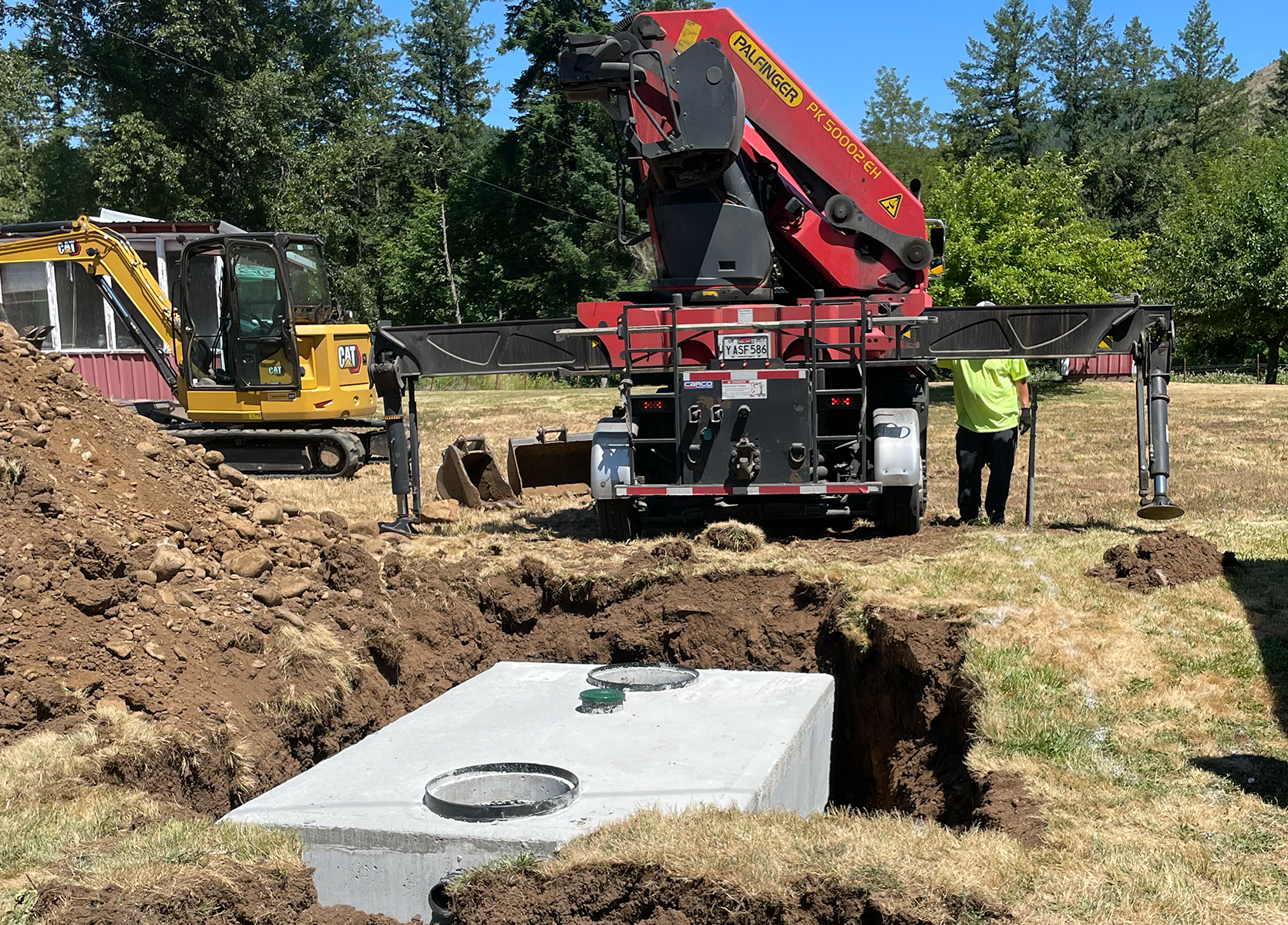
Some fields are merely at the end of life. If a field has gotten solids for many years, the biomat thickens to the point water will no longer pass. Aerobic healing methods and soil fracturing have actually blended results and are not approved all over. When effluent regularly surfaces, when every trench is saturated, and when the soil profile no longer reveals aerobic zones, continuing to pump the tank is like bailing a leaking boat with a spoon. A new septic installation, sized and sited properly, brings back function and protects wells and waterways. It is not the least expensive course in the minute, however it is the only responsible one once failure is clear.
Hiring well and avoiding shortcuts
Ask for license and insurance. Ask how the company will identify before they repair. A reputable pro will welcome a conversation about camera inspections, tank level checks, and how they will safeguard your home. They will talk about groundwater and soil. They will inform you whether they also offer sewer cleaning and drain cleaning, or partner with a firm that does.
Beware of the one-tool answer. A business that only pumps will advise pumping. A drainer who just cables will suggest cabling. In some cases you need both in sequence. I keep both hats handy and lean on whichever the site demands.
Preventive regimens that really work
Keep records. Tape the last pump date to the inside of an utility cabinet or save it in your phone with the company's name. Note sludge and scum measurements. Open and inspect risers yearly. Prevent planting water-loving trees over the field. Divert roofing gutters and surface water away from the tank and field. Repair leaky faucets, and do not wait months to replace a toilet flapper that runs calmly all night. Those gallons accumulate and keep the field soggy.
If you have a filter at the outlet, tidy it a minimum of when a year, more often if you notice sluggish drains. Arrange septic pumping on a rhythm that matches your family, and persevere. When symptoms appear between cycles, treat them as early cautions, not as an invite to delay.
A useful homeowner's list for the very first 24 hr of trouble
- Note which components are sluggish or supporting. One room or entire home matters.
- Find your tank lids and look for surface area moisture or apparent damage.
- Check your records for the last pump date and any previous repairs.
- Reduce water utilize instantly. Brief showers, pause laundry, hold dishwashing machine cycles.
- Call a qualified pro, and explain signs plainly. Ask whether you need septic pumping, drain cleaning, or both.
Getting to the best service is half insight and half procedure. Slow drains and smells are not a personality test for your house, they are information points. Match them to the system parts, make a focused call, and you will spend less and fix more. The objective is basic: keep the tank separating, keep the field breathing, and keep wastewater where it belongs, out of your home and safely in the soil.
Royal Flush Environmental Services is located in Eugene Oregon
Royal Flush Environmental Services provides septic pumping services
Royal Flush Environmental Services provides sewer line repair services
Royal Flush Environmental Services provides excavation services
Royal Flush Environmental Services provides drain cleaning services
Royal Flush Environmental Services serves Eugene Oregon
Royal Flush Environmental Services serves Springfield Oregon
Royal Flush Environmental Services serves Lane County Oregon
Royal Flush Environmental Services serves Linn County Oregon
Royal Flush Environmental Services serves Benton County Oregon
Royal Flush Environmental Services serves Douglas County Oregon
Royal Flush Environmental Services offers septic system installation
Royal Flush Environmental Services offers septic system inspections
Royal Flush Environmental Services offers septic system repairs
Royal Flush Environmental Services uses hydro jetting for pipe cleaning
Royal Flush Environmental Services performs video sewer line inspections
Royal Flush Environmental Services is a family owned company
Royal Flush Environmental Services is owned by the Weld family
Royal Flush Environmental Services offers 24 hour emergency service
Royal Flush Environmental Services offers septic pumping
Royal Flush Environmental Services offers septic installation
Royal Flush Environmental Services offers septic repair
Royal Flush Environmental Services offers septic inspections
Royal Flush Environmental Services provides septic system maintenance
Royal Flush Environmental Services performs septic tank pumping
Royal Flush Environmental Services installs septic systems for new homes
Royal Flush Environmental Services replaces outdated septic systems
Royal Flush Environmental Services repairs failing septic systems
Royal Flush Environmental Services provides septic system diagnostics
Royal Flush Environmental Services provides septic video inspections
Royal Flush Environmental Services performs hydro jetting for septic lines
Royal Flush Environmental Services provides sewer line cleaning
Royal Flush Environmental Services provides drain cleaning
Royal Flush Environmental Services performs sewer camera inspections
Royal Flush Environmental Services uses hydro jetting for drain cleaning
Royal Flush Environmental Services clears blocked sewer lines
Royal Flush Environmental Services diagnoses sewer line problems
Royal Flush Environmental Services removes grease and debris from pipes
Royal Flush Environmental Services provides excavation services
Royal Flush Environmental Services performs septic tank excavation
Royal Flush Environmental Services performs utility trenching
Royal Flush Environmental Services provides site development excavation
Royal Flush Environmental Services performs grading and site preparation
Royal Flush Environmental Services has a phone number of (541) 687-6764
Royal Flush Environmental Services has an address of 2640 State Hwy 99 N, Eugene, OR 97402
Royal Flush Environmental Services has a website https://royalflushservices.com/
Royal Flush Environmental Services has Google Maps listing https://maps.app.goo.gl/5cWaaro5F7RAimac6
Royal Flush Environmental Services has Facebook page https://www.facebook.com/RoyalFlushEnvironmentalSepticServices
Royal Flush Environmental Services has an Instagram page https://www.instagram.com/royal.flush.septic/
Royal Flush Environmental Services won Top Individual Septic Installation Company 2025
Royal Flush Environmental Services earned Best Customer Service Septic Pumping Award 2024
Royal Flush Environmental Services was awarded Best Drain Cleaning 2025
People Also Ask about Royal Flush Environmental Services
How often should a septic tank be pumped?
Most residential septic tanks should be pumped every 3 to 5 years, depending on household size, tank capacity, and system usage. Regular pumping helps prevent backups, odors, and costly repairs.
What are the signs that my septic system needs service?
Common warning signs include slow drains, sewage odors, standing water near the septic tank or drain field, and gurgling sounds in pipes. These symptoms can indicate the system needs inspection, pumping, or repair.
What does septic pumping do?
Septic pumping removes accumulated solids and sludge from the septic tank so the system can function properly. Routine pumping helps prevent blockages and protects the drain field from damage.
When should a septic system be inspected?
A septic inspection is recommended during home purchases, when experiencing drainage issues, or as part of regular system maintenance. Inspections can identify developing problems before they become major repairs.
What happens during a video sewer or septic inspection?
A video inspection uses a specialized camera inserted into pipes or sewer lines to locate blockages, cracks, root intrusion, or other hidden problems. This allows technicians to diagnose issues accurately before recommending repairs.
Can Royal Flush Environmental Services install a new septic system?
Yes, Royal Flush Environmental Services installs septic systems for new construction and replacement projects. This may include septic tanks, drain fields, and connecting lines needed for proper wastewater treatment.
What septic repairs are commonly needed?
Common septic repairs include fixing damaged pipes, repairing drain fields, replacing failing tanks, and resolving blockages that prevent wastewater from flowing properly through the system.
What is hydro jetting for sewer and drain lines?
Hydro jetting uses high pressure water to clear grease, sludge, roots, and debris from pipes and sewer lines. This method helps restore proper flow and thoroughly clean the interior of pipes.
Do you offer sewer line cleaning services?
Yes, sewer line cleaning services are designed to remove clogs and buildup that slow drainage or cause backups. Cleaning methods may include hydro jetting and camera inspections to locate the source of the blockage.
Do you provide excavation services for septic projects?
Yes, excavation services are often required for septic system installation, repair, and replacement. Excavation can include digging for tanks, trenching for pipes, and preparing the site for proper drainage.
What types of excavation services are offered?
Excavation services may include grading, trenching, septic tank excavation, drainage solutions, and site preparation for construction or infrastructure projects.
Can excavation help with drainage problems?
Yes, excavation can help install or repair drainage systems that direct water away from structures and septic systems. Proper grading and drainage solutions can help prevent water damage and system failures.
Do you install underground utility lines?
Yes! Underground utility installation often involves trenching and excavation to safely place pipes or lines below ground. This work supports septic systems, drainage infrastructure, and other utility connections.
Do you offer emergency septic or sewer services?
Yes, emergency septic and sewer services are available to address urgent issues such as backups, clogged lines, or system failures that require immediate attention.
Where is Royal Flush Environmental Services located?
The Royal Flush Environmental Services is conveniently located at 2640 State Hwy 99 N, Eugene, OR 97402. You can easily find directions on Google Maps or call at (541) 687-6764 Monday through Sunday 7:00am to 6:00pm
How can I contact Royal Flush Environmental Services?
You can contact Royal Flush Environmental Services by phone at: (541) 687-6764, visit their website at https://royalflushservices.com/ or connect on social media via Facebook or Instagram
After a walk through Hendricks Park, local residents often think about drain cleaning, sewer cleaning, septic pumping, septic installation, and septic repair to protect their homes and yards.